Prosthetics
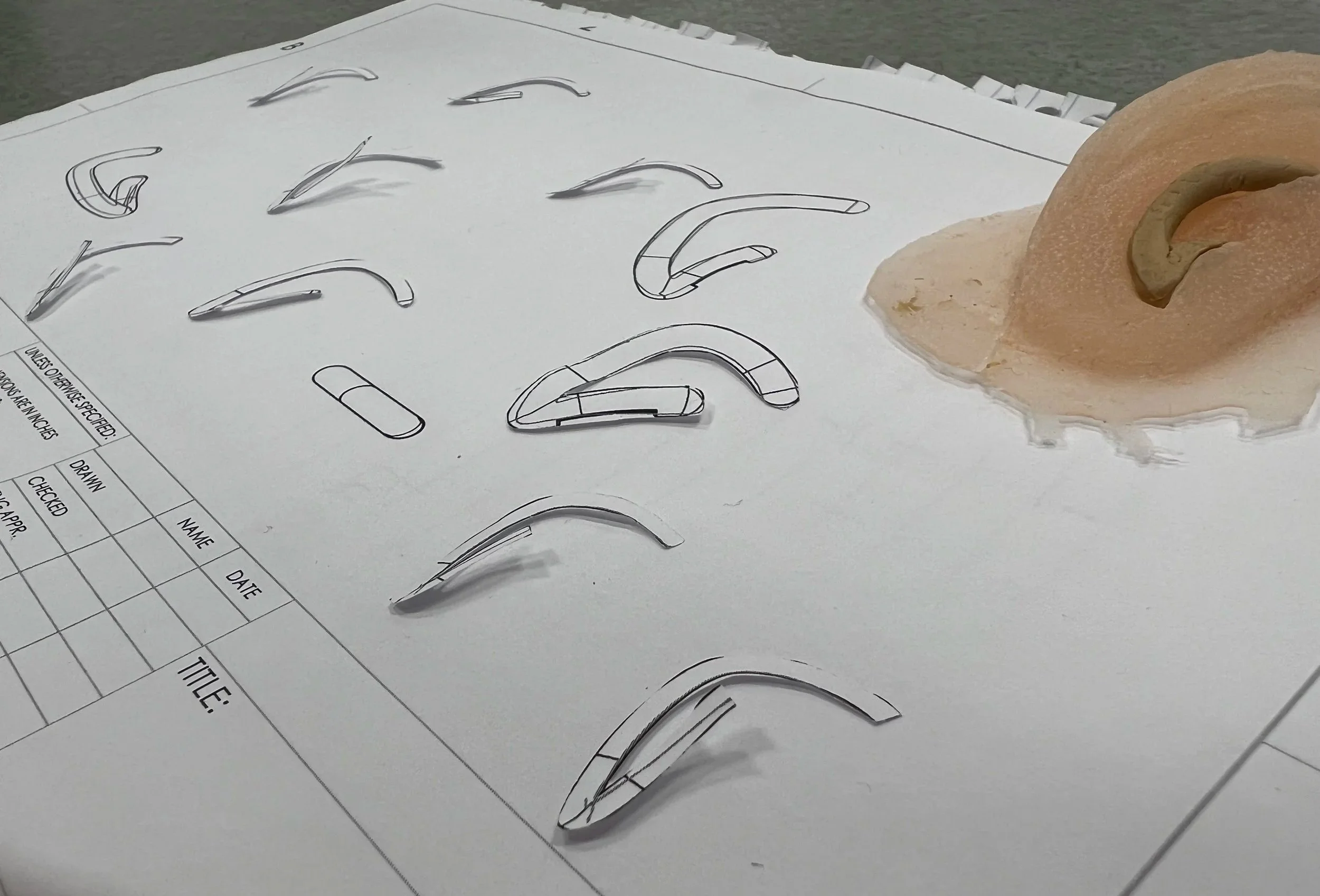
This independent research and design case study explored the intersection of prosthetics, wearable technology, and personalized product development through the creation of a custom-fit earbud designed for individuals with ear canal stenosis. The work focused on ergonomic customization, material exploration, fabrication techniques, and the integration of physical prototyping with digital modeling workflows to develop a functionally and anatomically informed wearable solution.
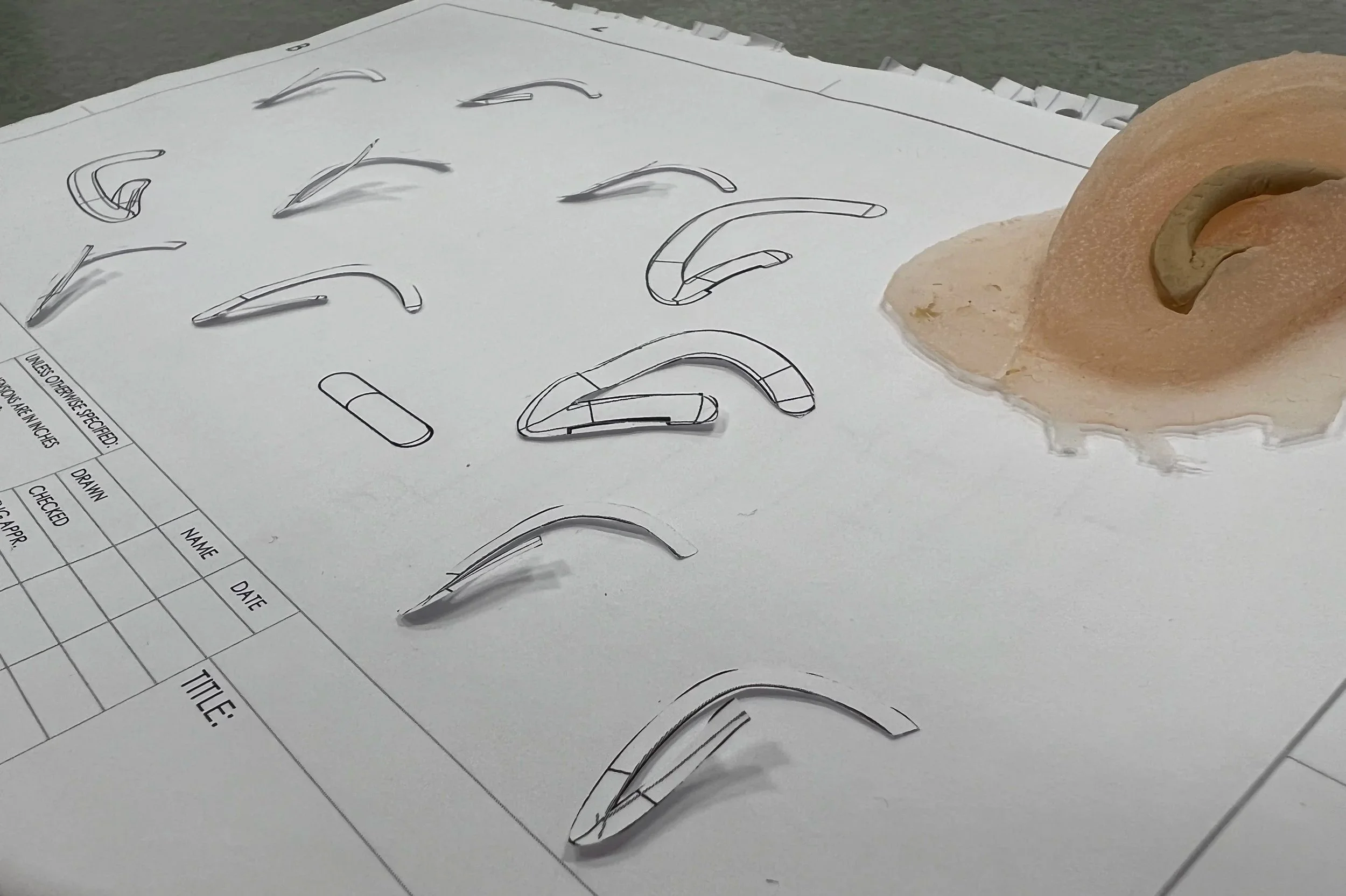
Research included medical and material studies, visual references, case studies, and an ongoing design journal documenting sketches, concept iterations, fabrication testing, and process development throughout the project timeline.
Sculpting
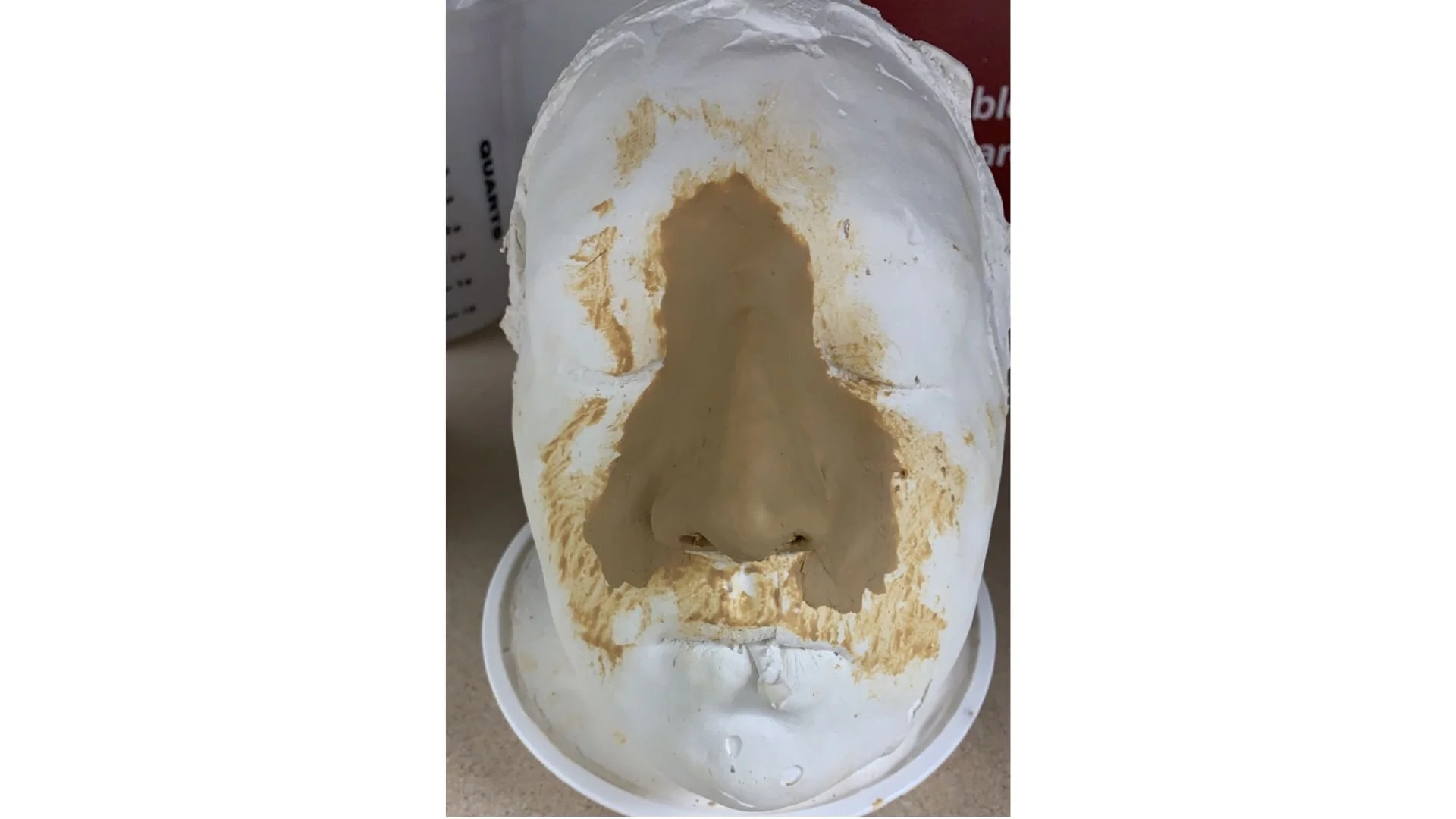
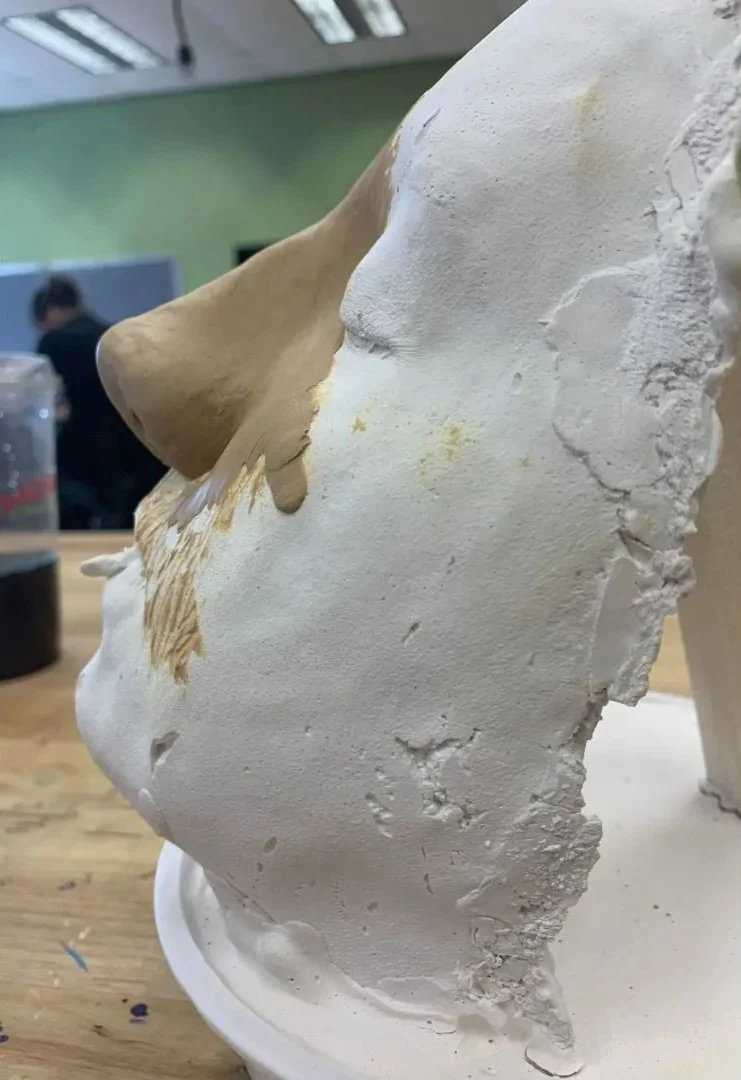
To develop foundational sculpting and anatomical modeling skills, an initial study focused on recreating an accurate nose form using clay sculpting techniques.
A plaster cast of a face was created and used as a dimensional reference to ensure anatomical accuracy and proportion. After removing the cast from the model, the nose cavity was blocked with clay before the interior was filled with plaster to create a durable working model. Using photographic references captured from multiple angles, a new clay nose was sculpted directly onto the plaster form. This process provided practical experience in translating anatomical proportions into physical models and informed the later development of the ear canal project by strengthening an understanding of scale, contour, and organic form reproduction.
Ear Model
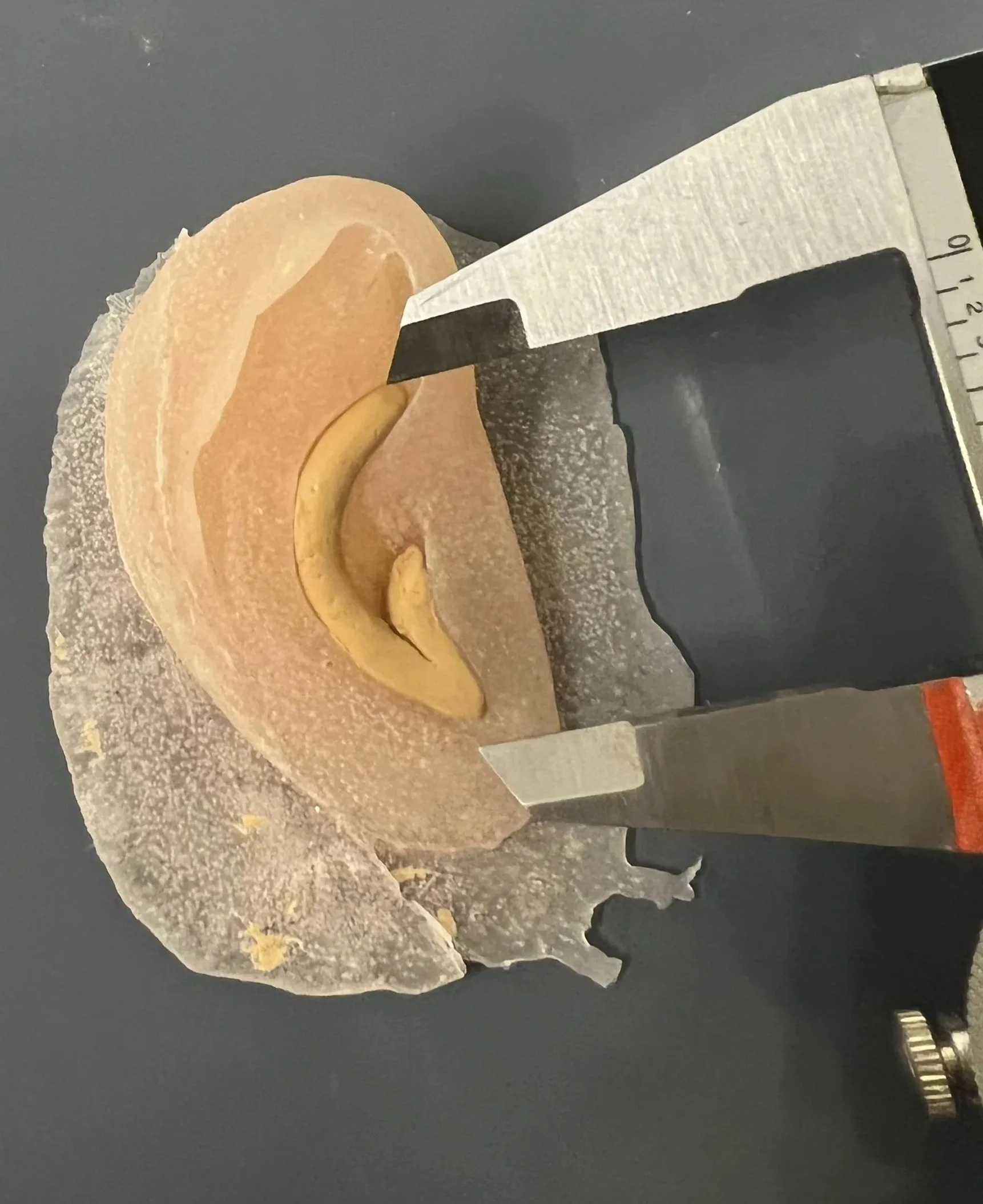
Building on this process, a full-scale clay ear model was sculpted using personal anatomical reference due to naturally narrow ear canal proportions similar to ear canal stenosis. The sculpted model was developed to accurately reflect both functional fit requirements and realistic anatomical geometry.
From the clay ear model, a three-part mold system was produced using Labstone dental stone and sectional wax barriers to capture the detailed geometry of the sculpted form. RTV silicone (Room Temperature Vulcanizing Silicone) was then cast within the mold system to create flexible silicone replicas used for fit testing and appliance refinement.
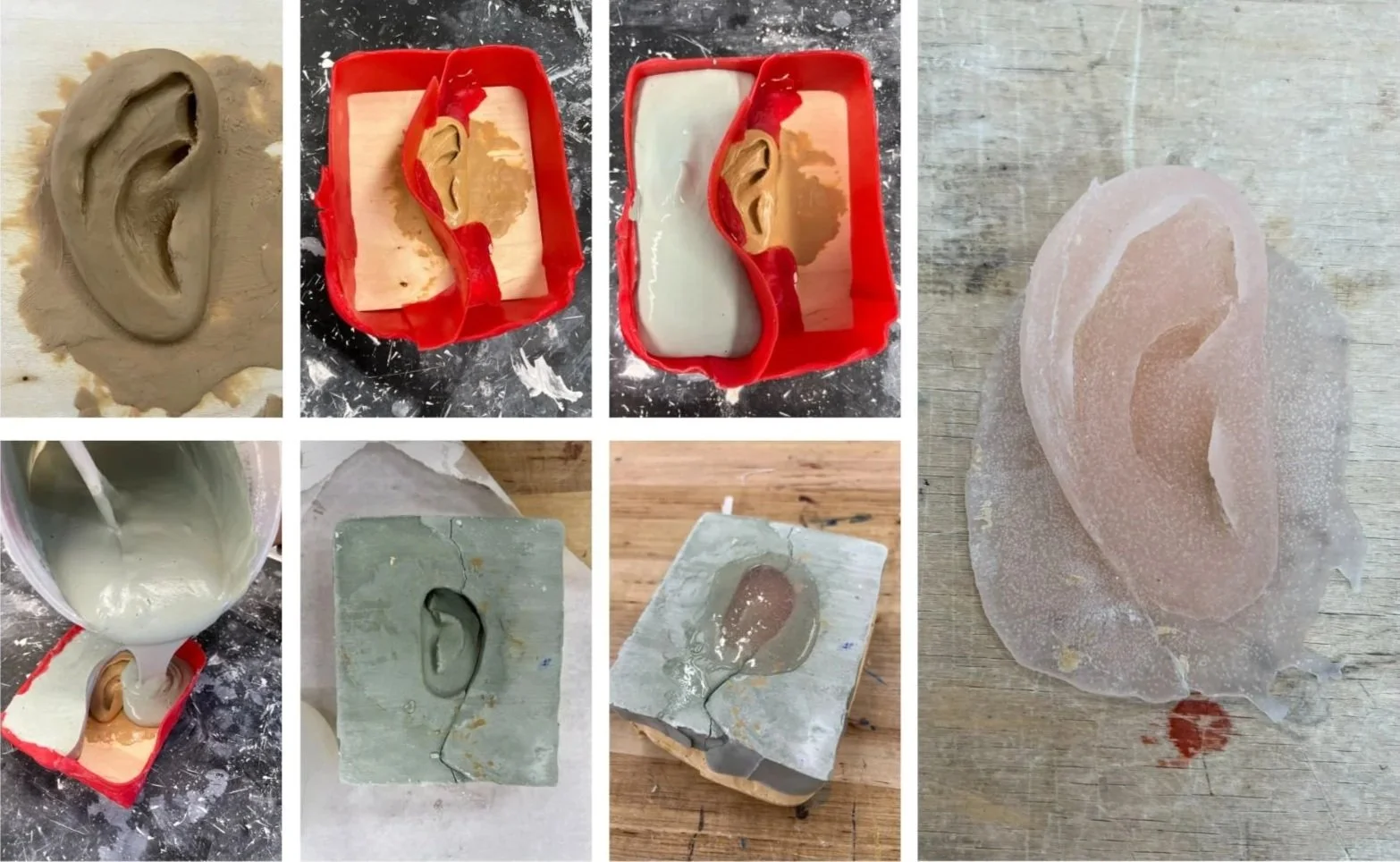
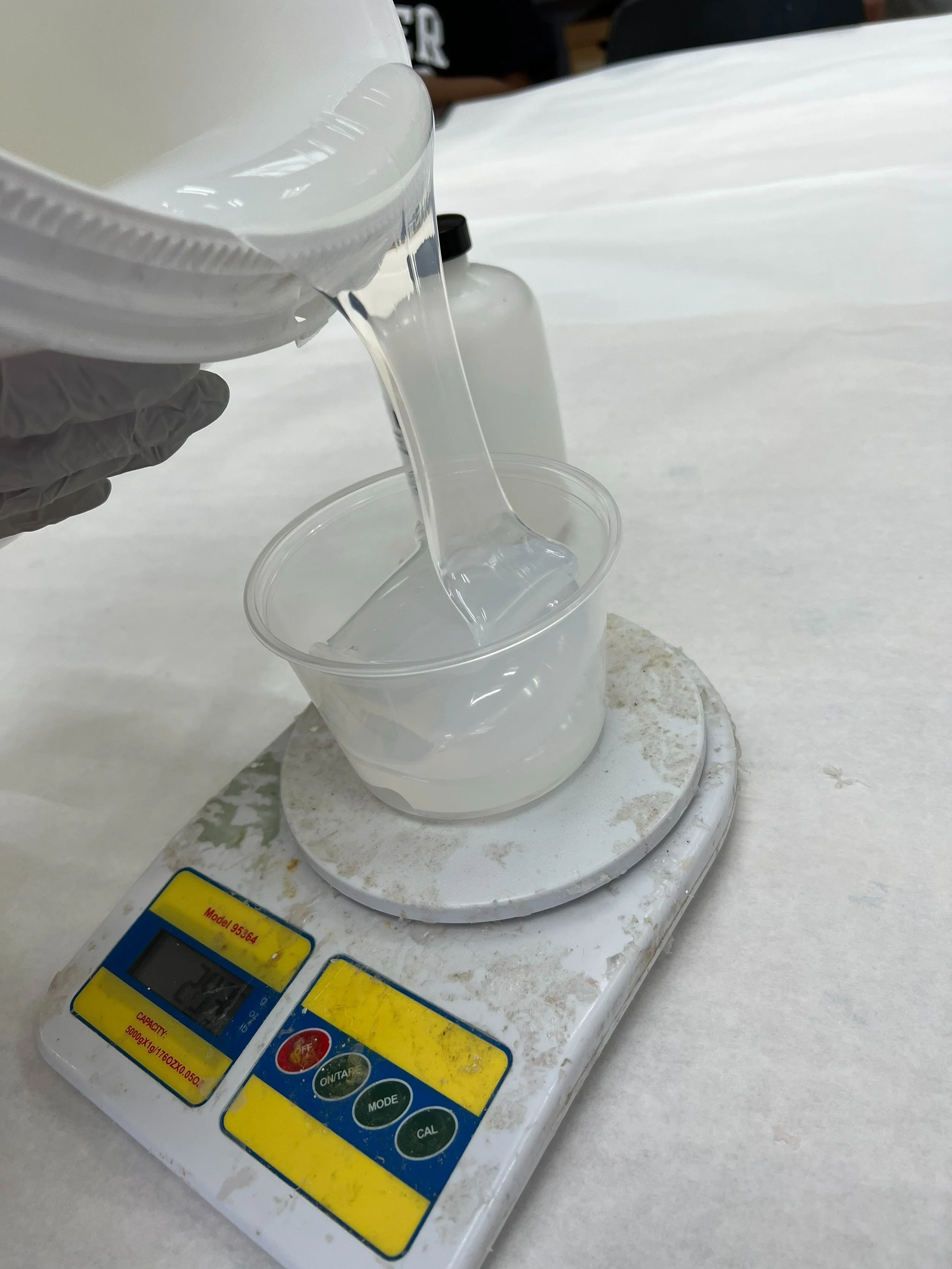
The silicone development phase also included coloration testing and material experimentation. Pigments were mixed directly into the silicone prior to casting, allowing the material to shift from its natural transparent state to a translucent tone more closely aligned with human skin coloration. This process introduced additional considerations surrounding realism, material appearance, and wearable integration.
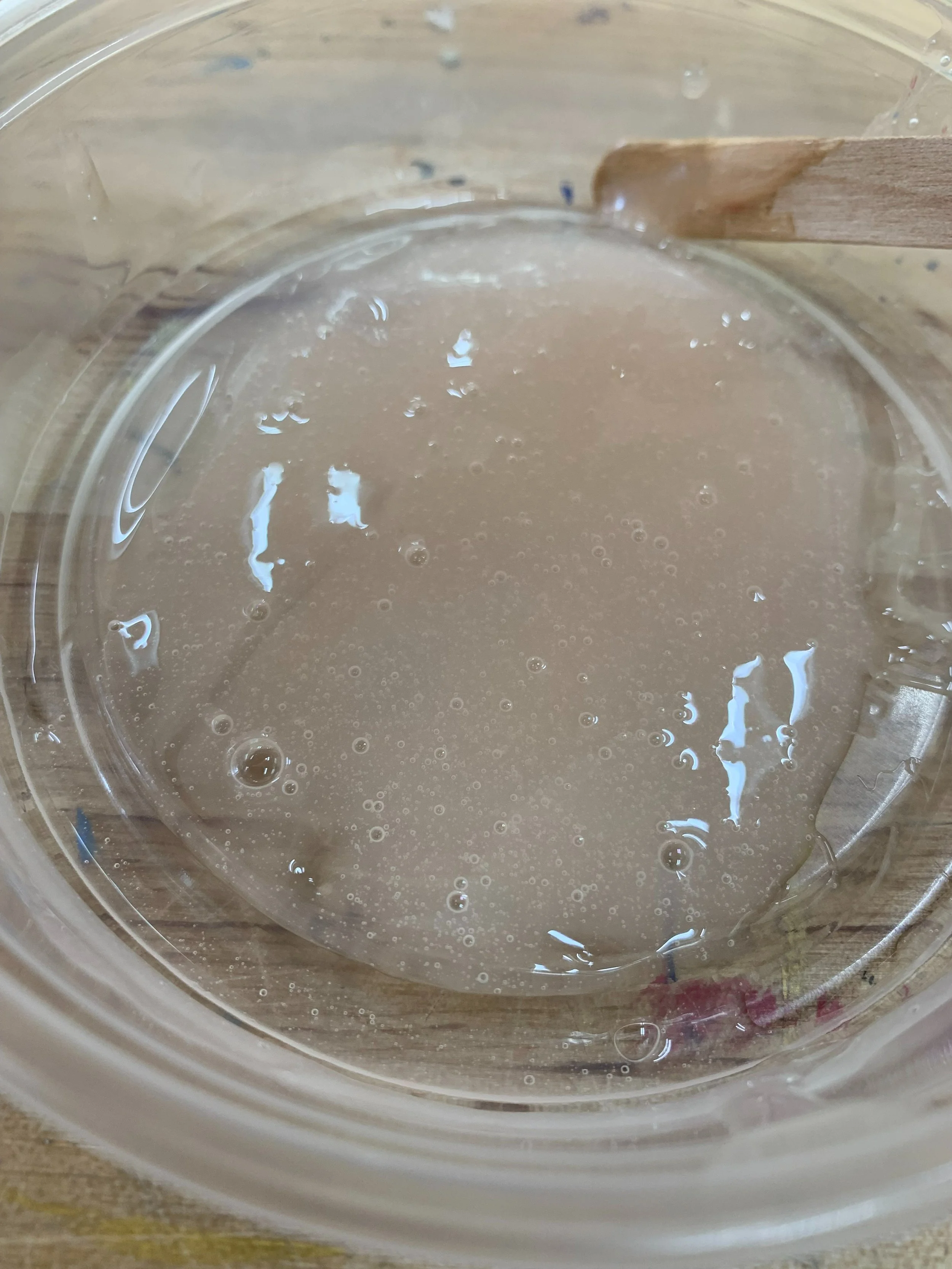
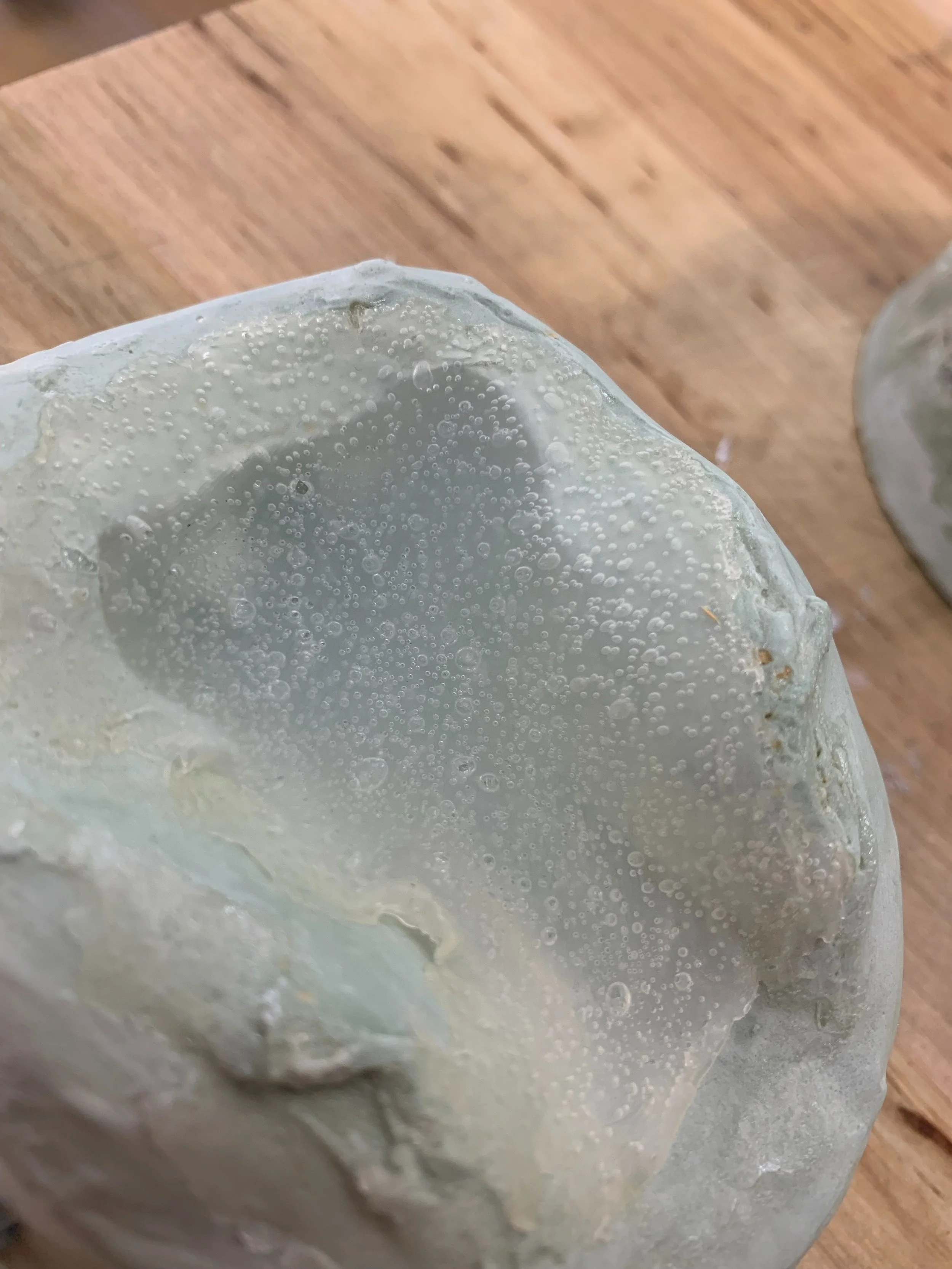
Supported by research and an ongoing process journal documenting sketches, concept development, fabrication studies, and iterative design refinement.
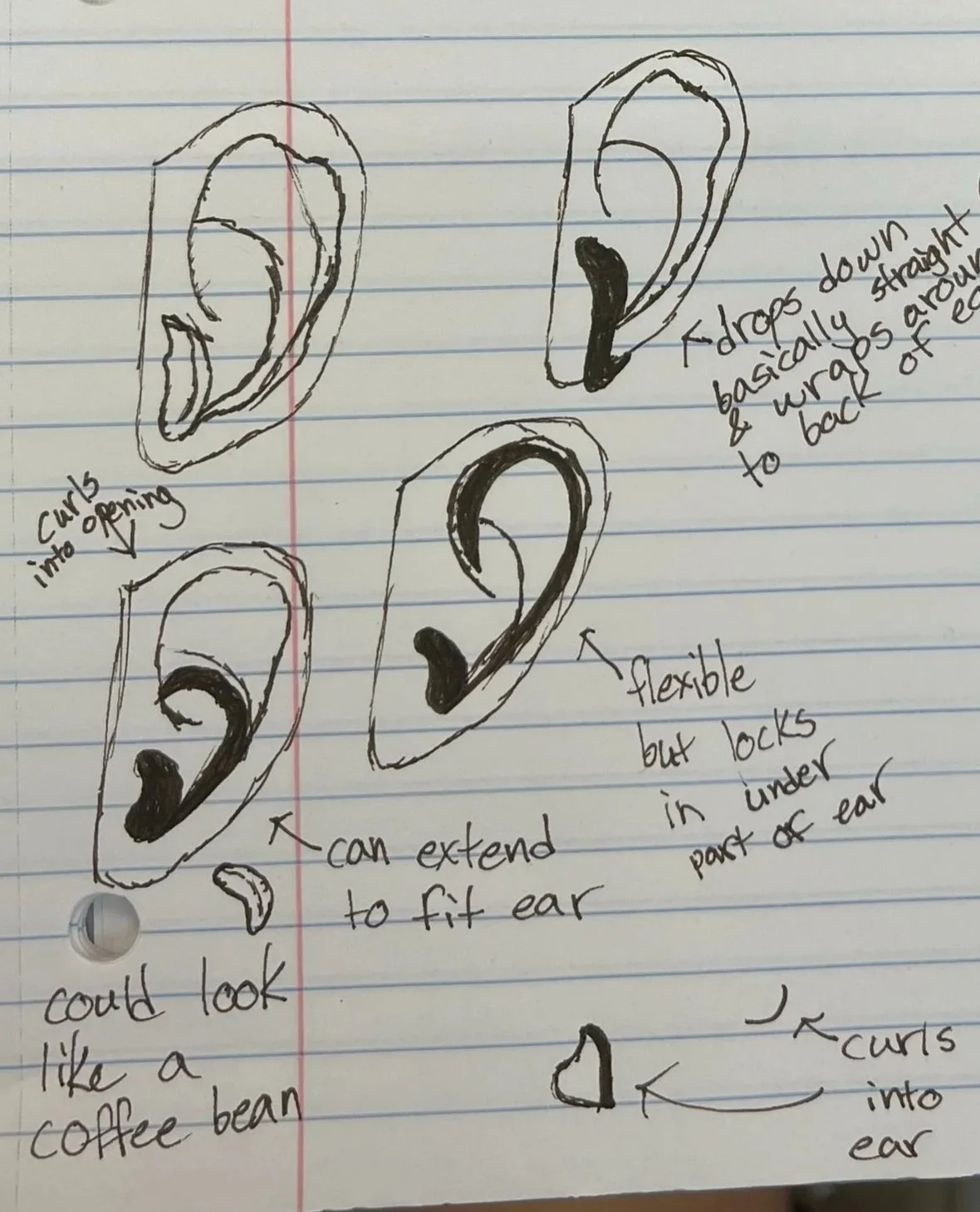
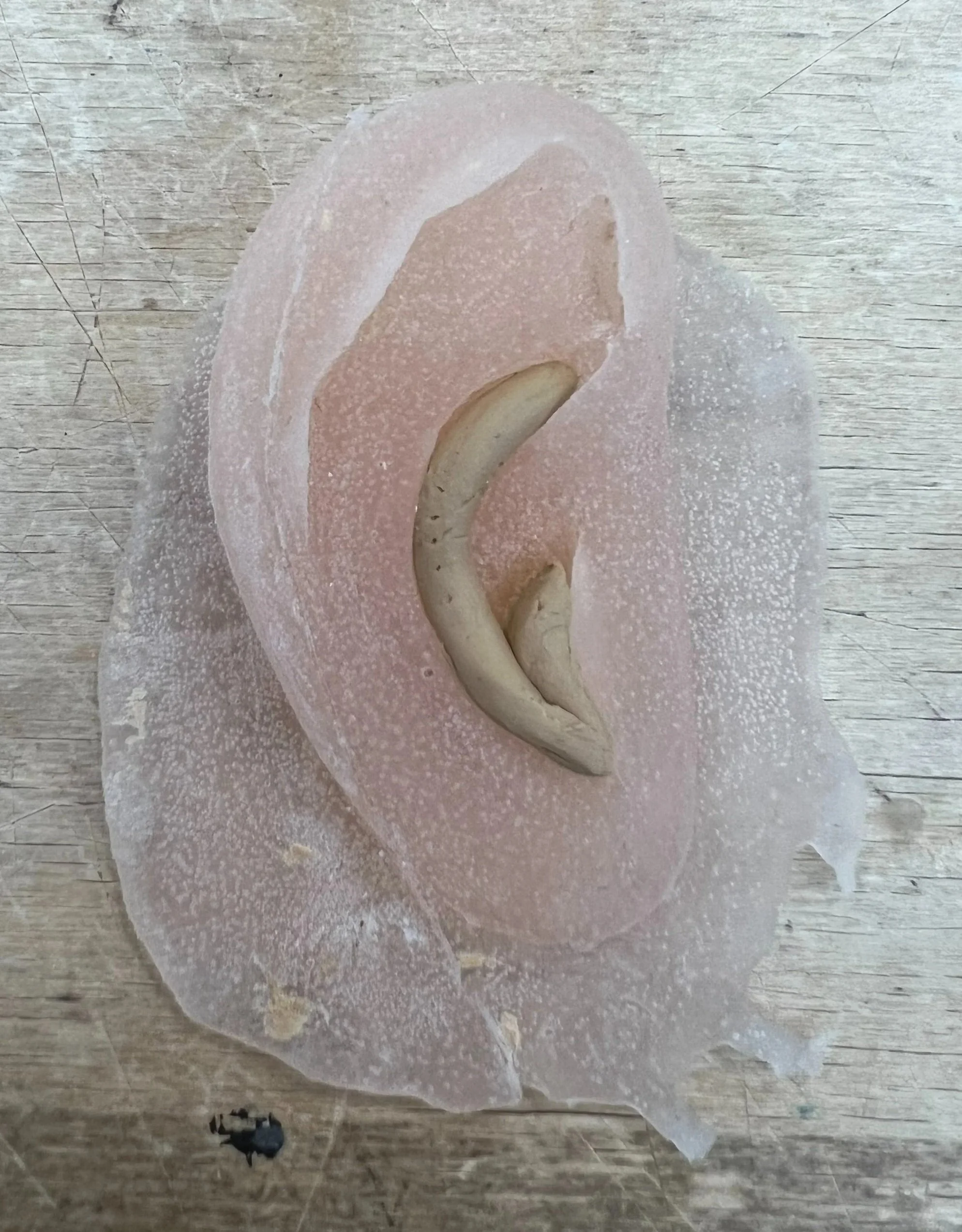
Earbud Appliance
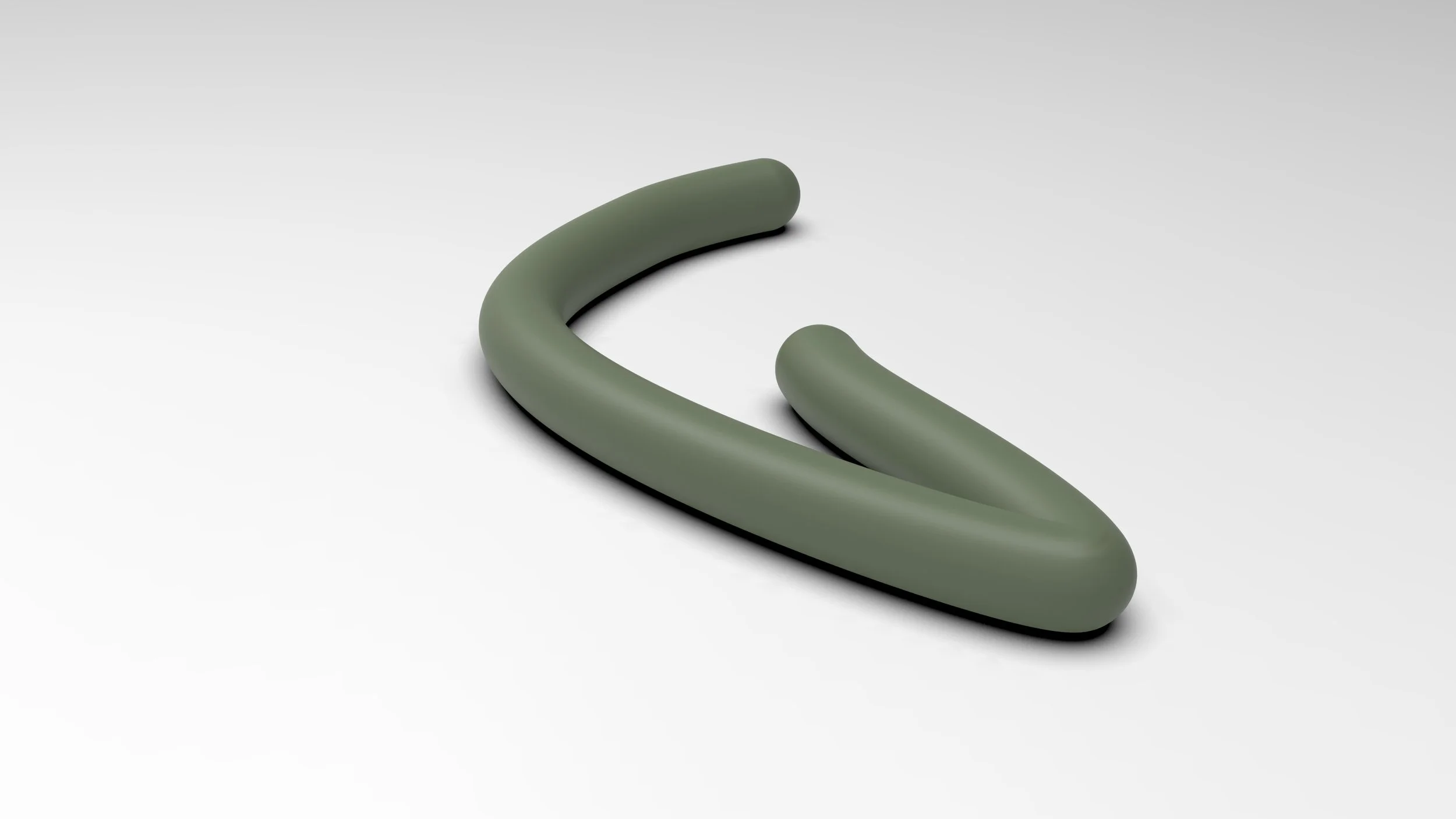
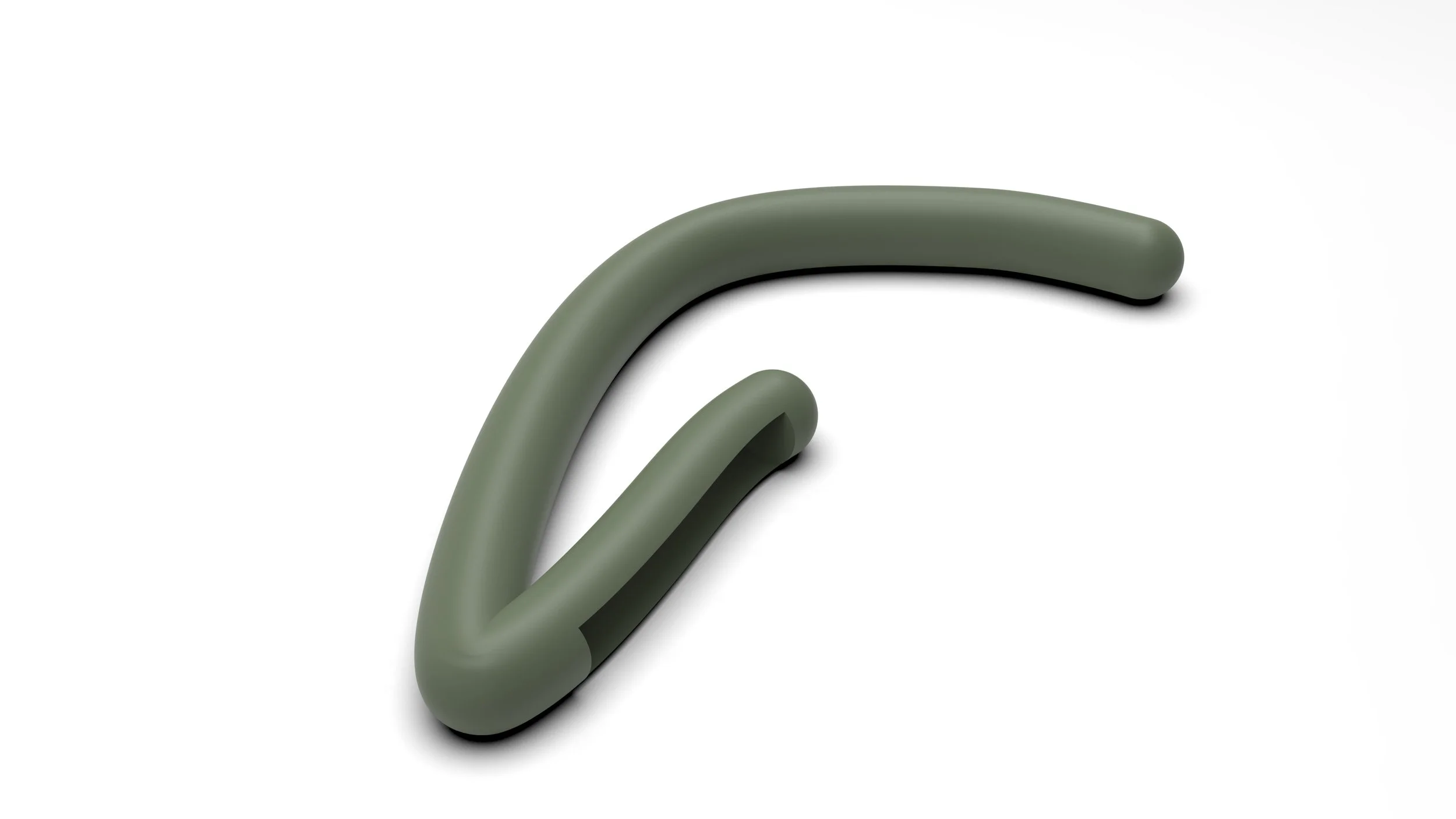
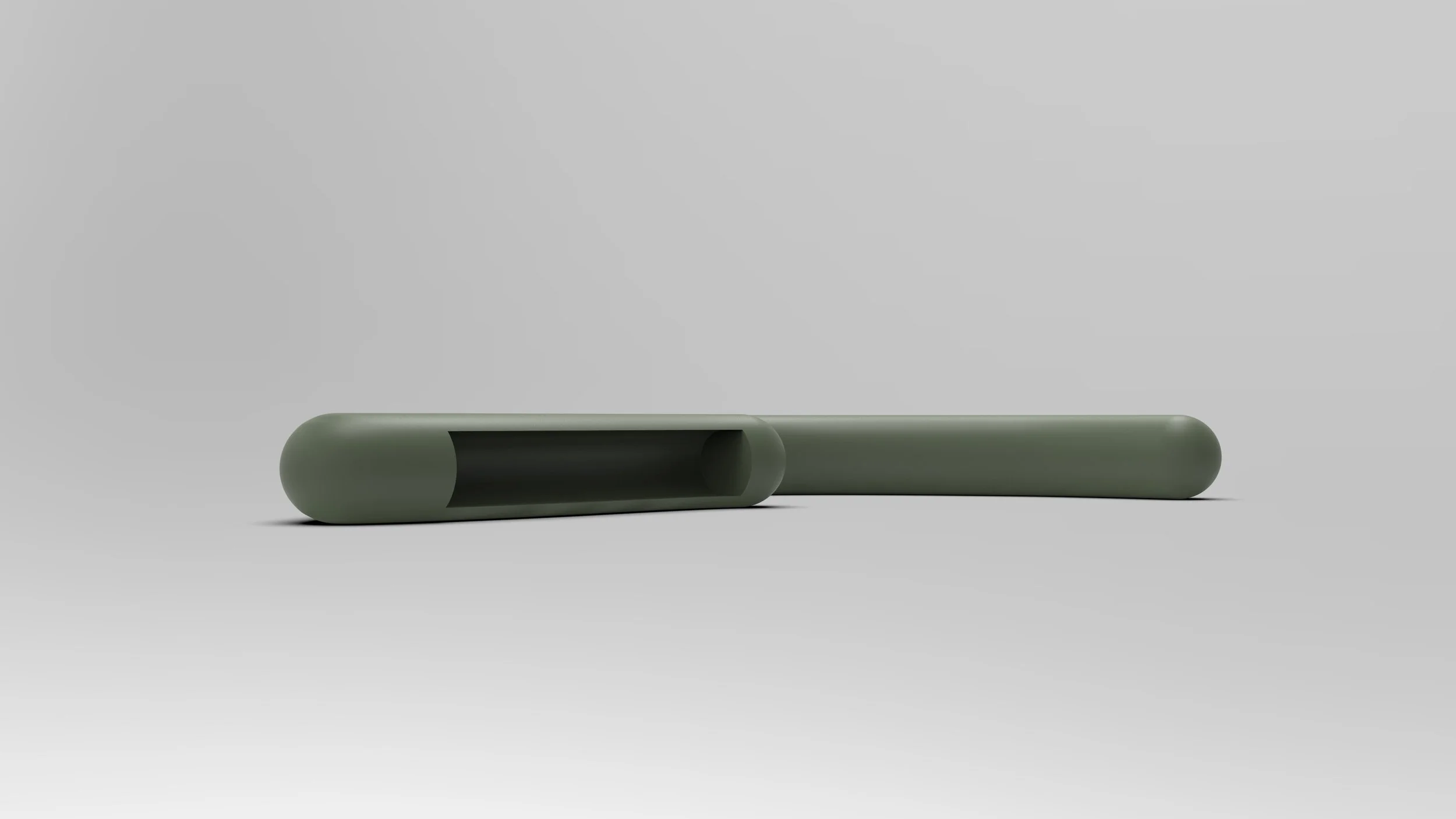
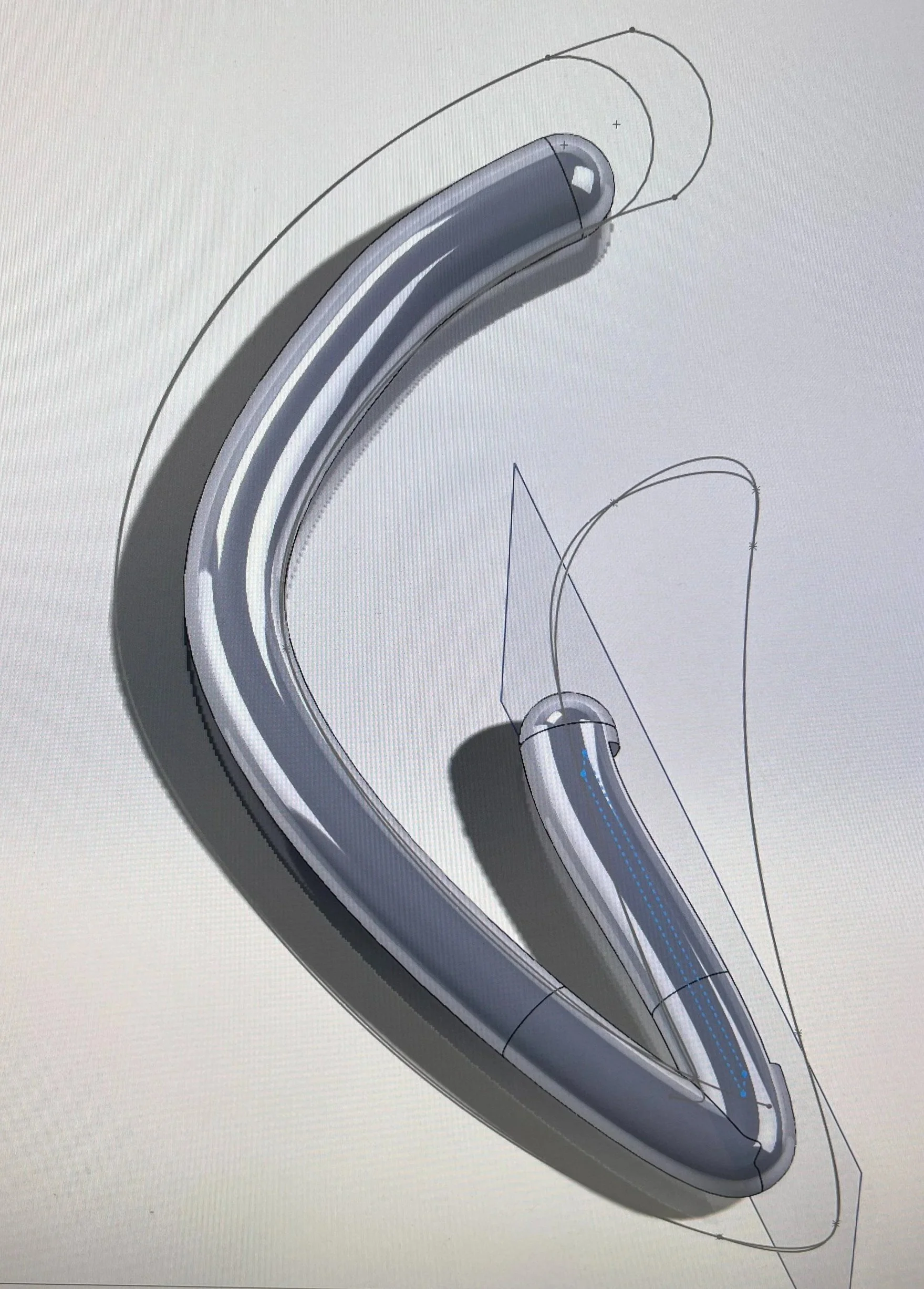
Dimensional data derived from the sculpted model informed the development of a custom-fit earbud appliance modeled in SolidWorks. The final digital concept was prepared for 3D printing and visualized through KeyShot renderings to communicate form, materiality, and product application within a refined presentation format.